
STARMUS EARTH – medzinárodný festival vedy, vesmíru a umenia venovaný téme planéty a klimatickej zmeny.
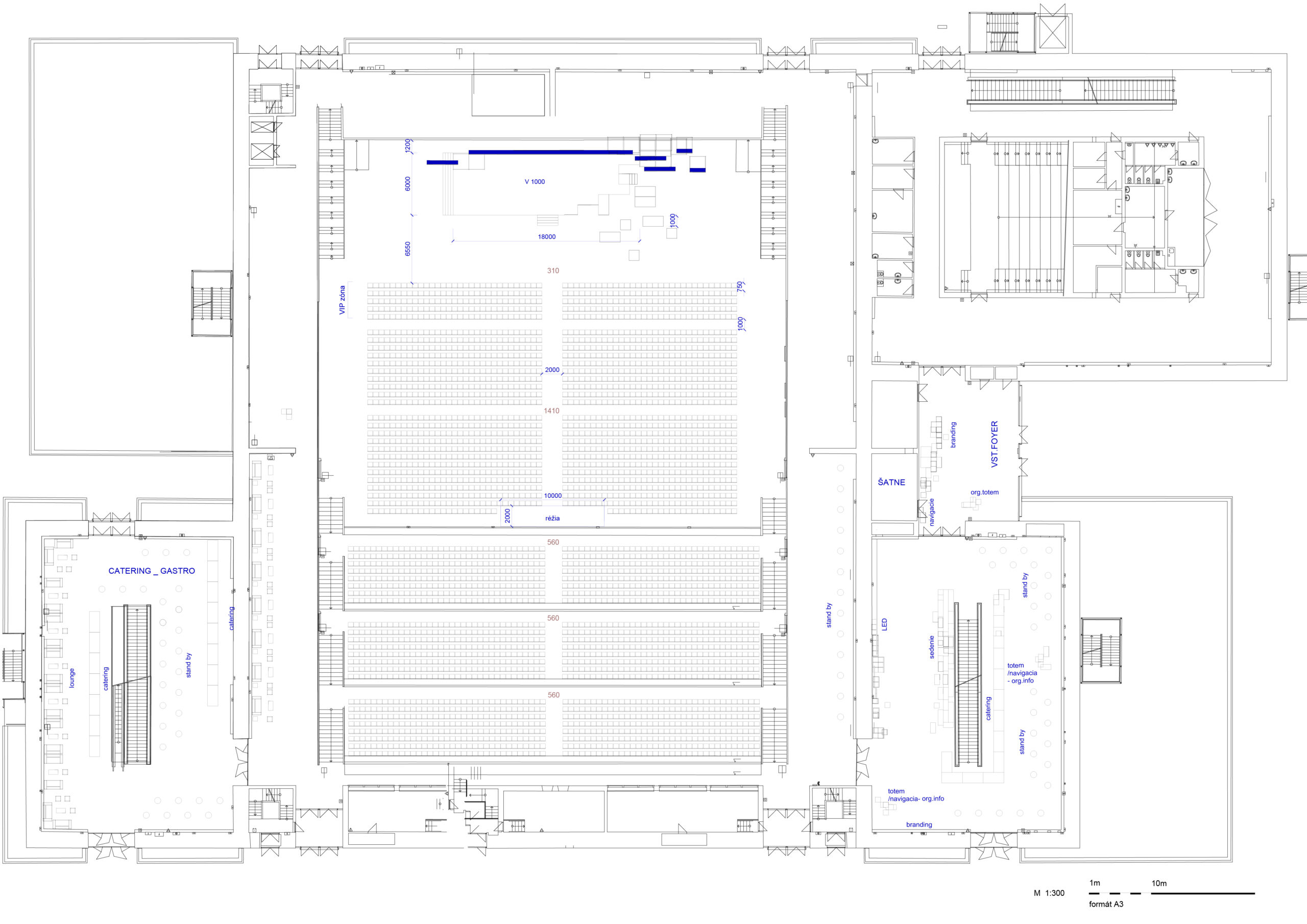
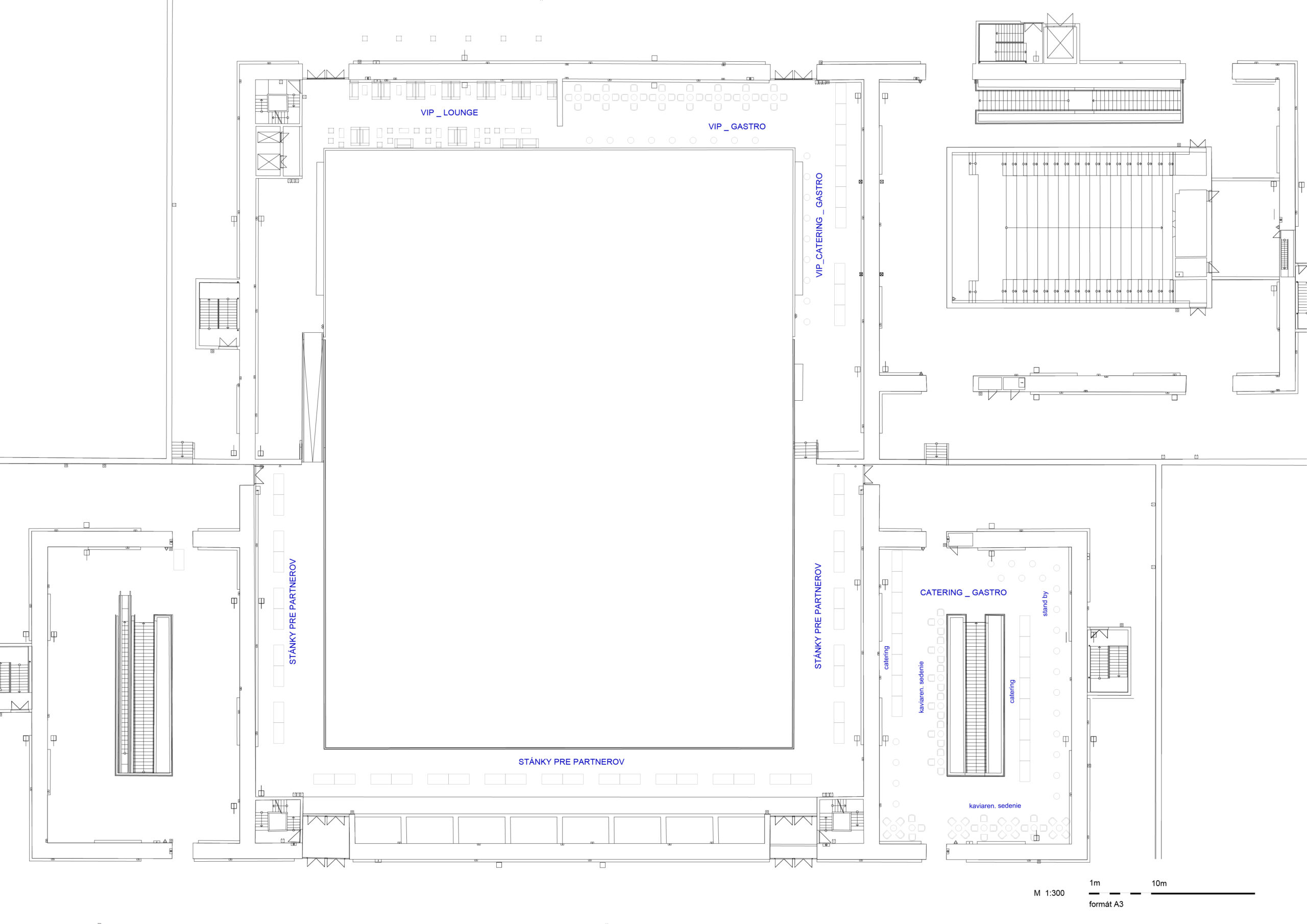
Rozsah projektu: kooperácia na koncepte, vizualizácie, pôdorysné a dispozičné riešenia, návrh 3D priestorových prvkov.
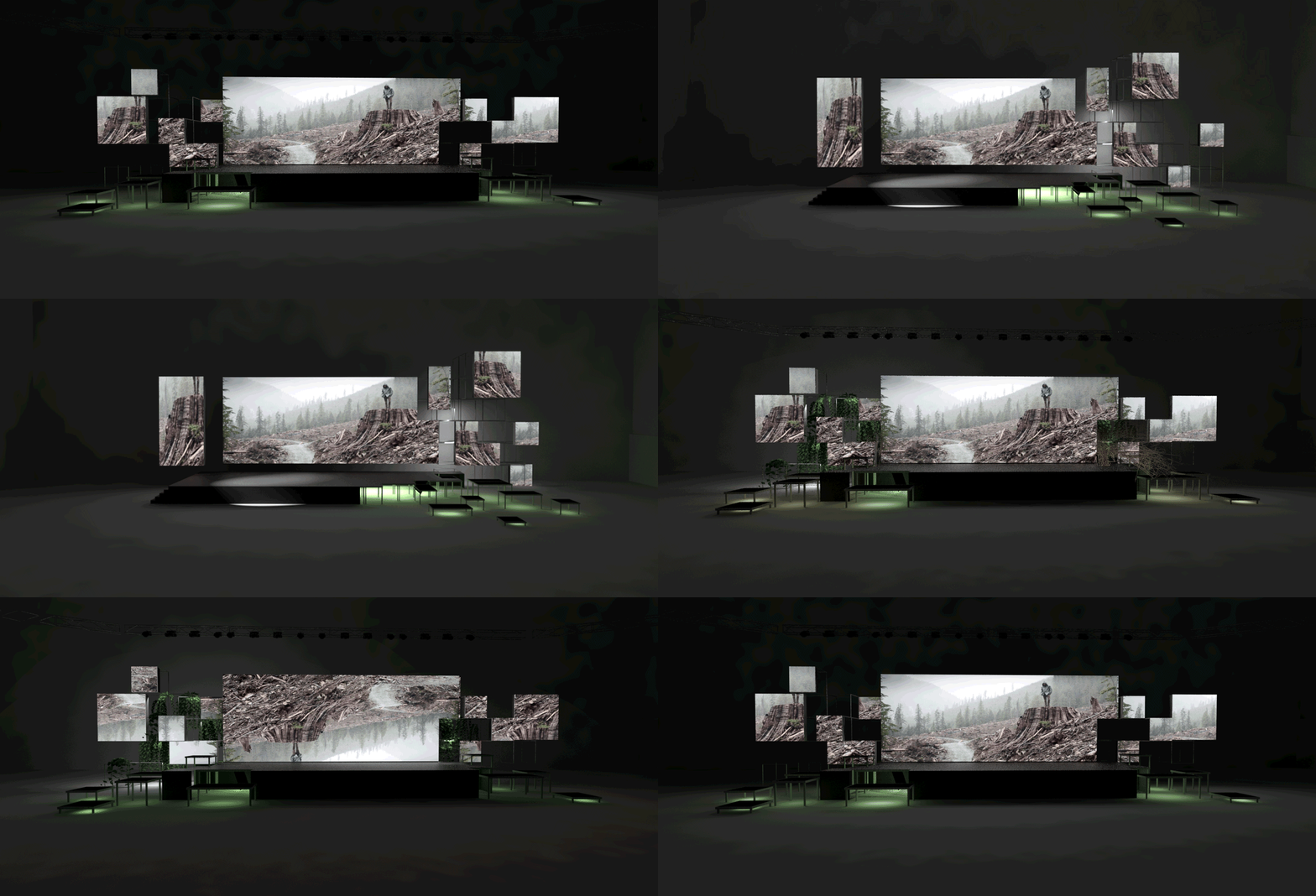
Event je navrhnutý ako imerzívne prostredie, v ktorom sa obsah podujatia premieňa na priestorový zážitok. Hlavná scéna aj ďalšie časti priestoru – vstup, hala a prechody… – nefungujú len ako technické zázemie programu, ale ako jednotný vizuálny systém, ktorý návštevníka vedie témou „Earth“.
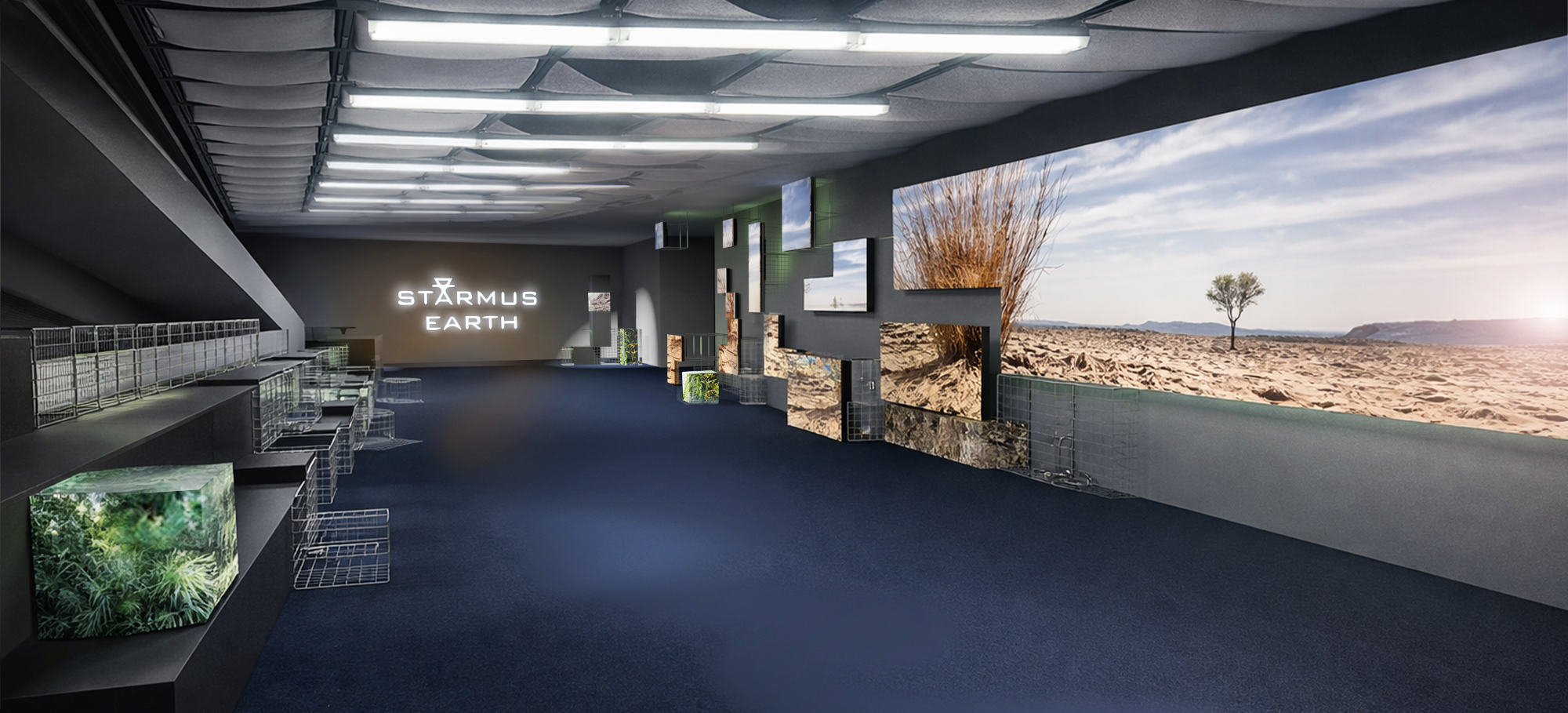
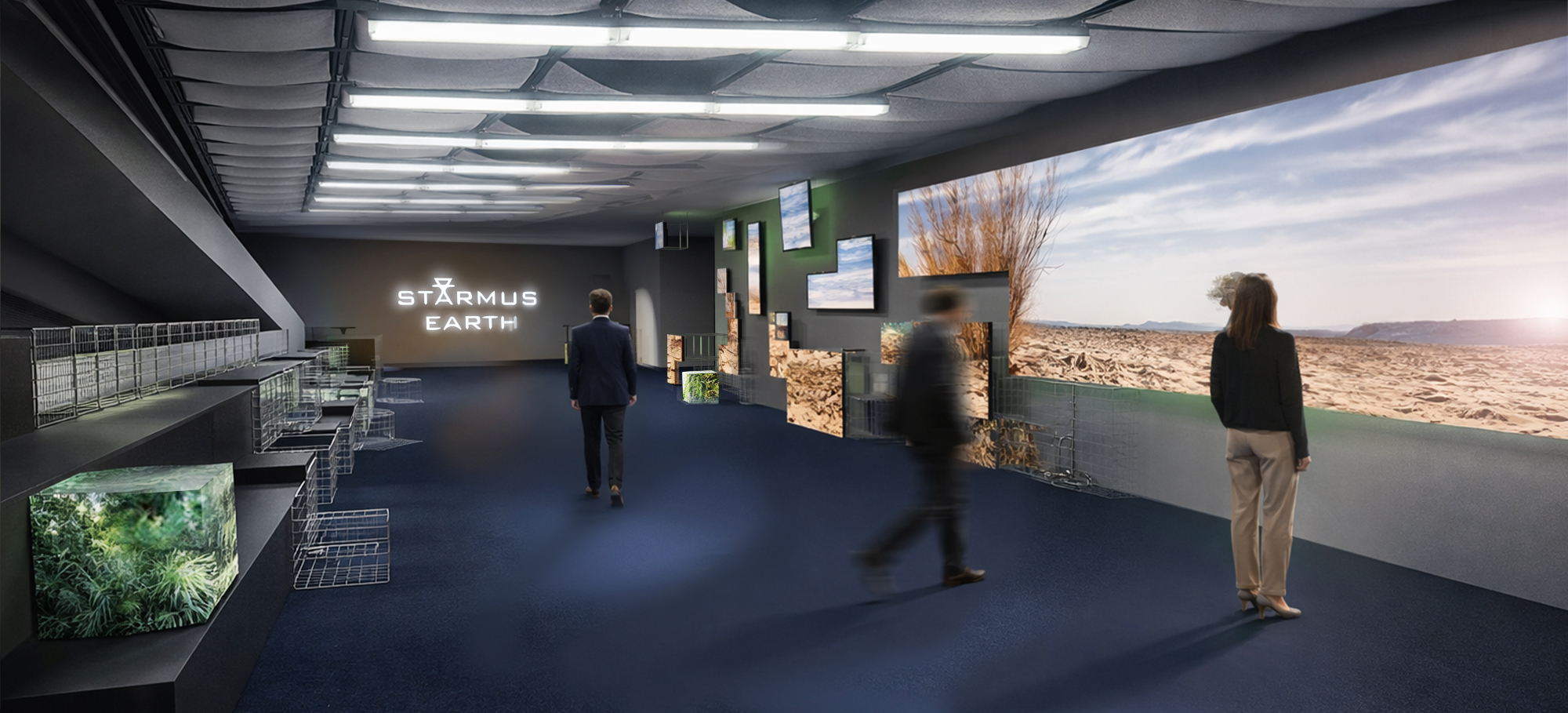
Jadrom návrhu je modularita a fragmentácia obrazu: séria rôzne veľkých obrazoviek a panelov skladá mozaiku krajín a environmentálnych kontrastov (sucho, erózia, odlesnenie, vegetácia). Kompozícia je zámerne vrstvená a nerovnomerná, aby pripomínala zmeny v krajine – obraz sa neskladá do jednej plochy, ale vstupuje do priestoru. Tento rytmus pokračuje aj v sprievodných segmentoch a prepája scénu so zvyškom eventového prostredia.
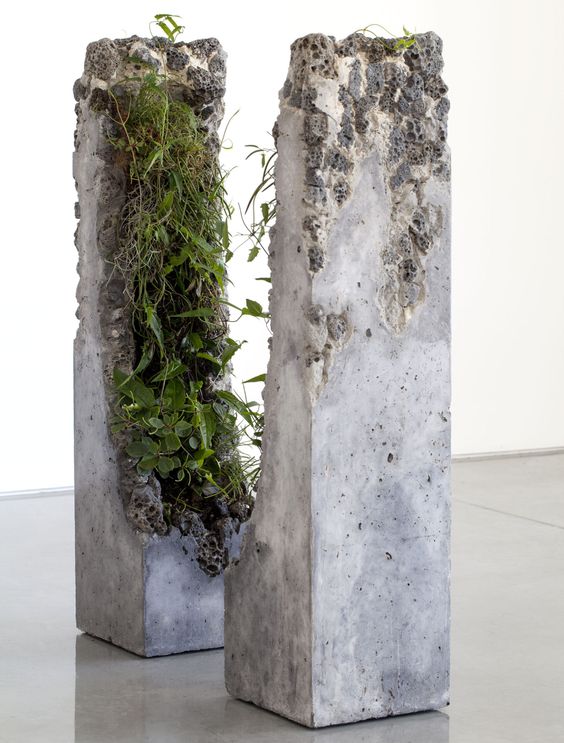
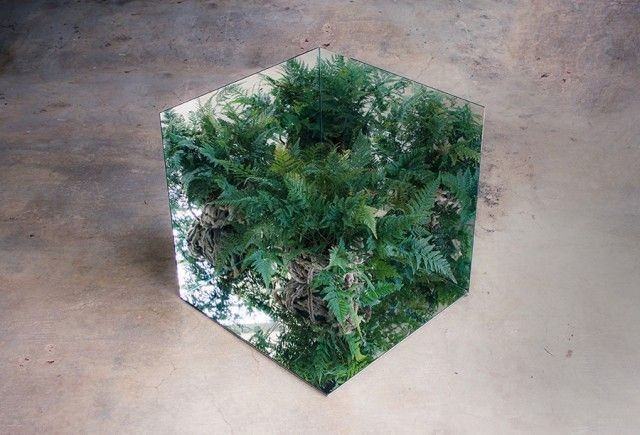
Materiálový jazyk stojí na kontraste „technológia × príroda“. Transparentné a polopriehľadné objemy s organickým obsahom (rastliny, mach, prírodné štruktúry) sa prepájajú s kovovou sieťou a konštrukčnými rámami, doplnenými jemným zeleným podsvietením. Prvky fungujú ako priestorové akcenty aj ako symbolické „vzorky“ prírody – uzavreté, chránené a vystavené pozornosti.
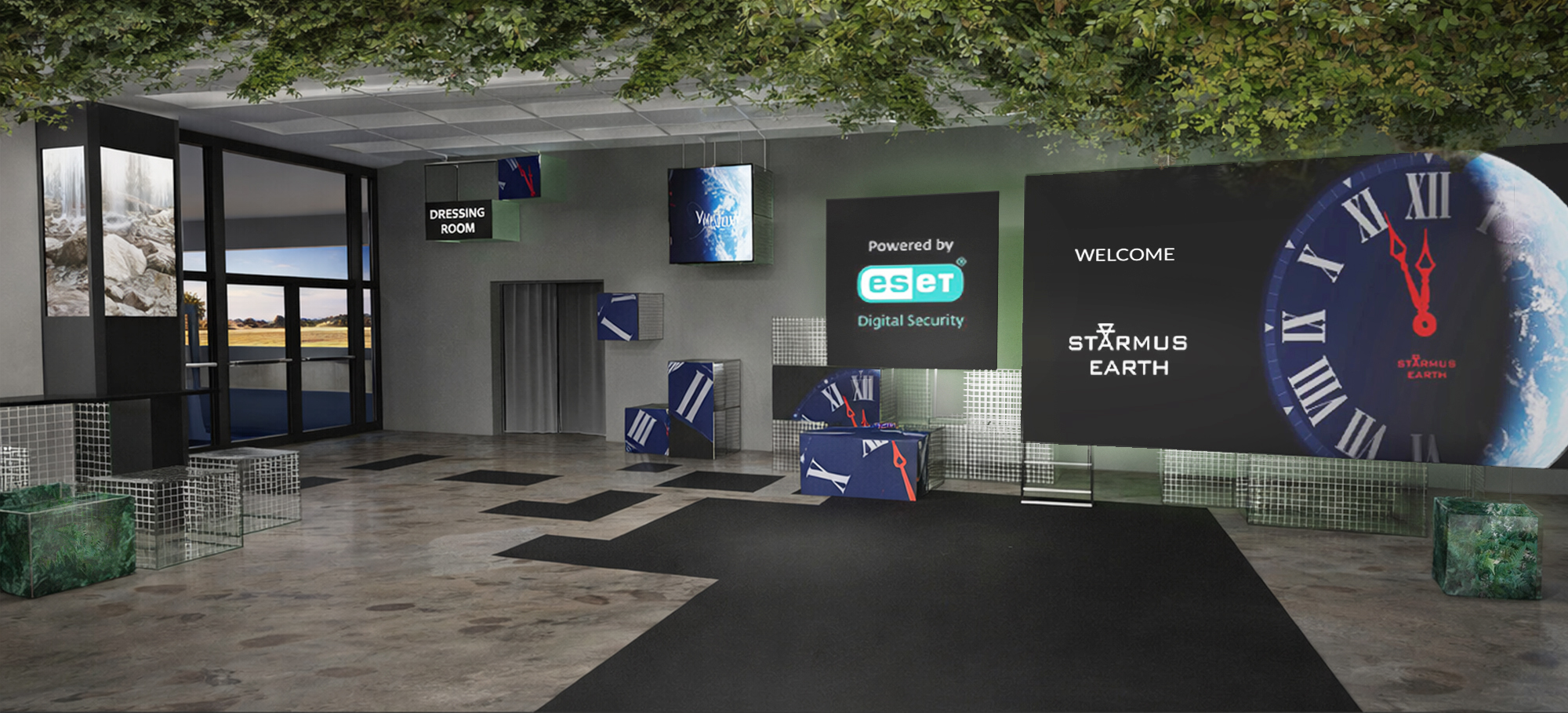
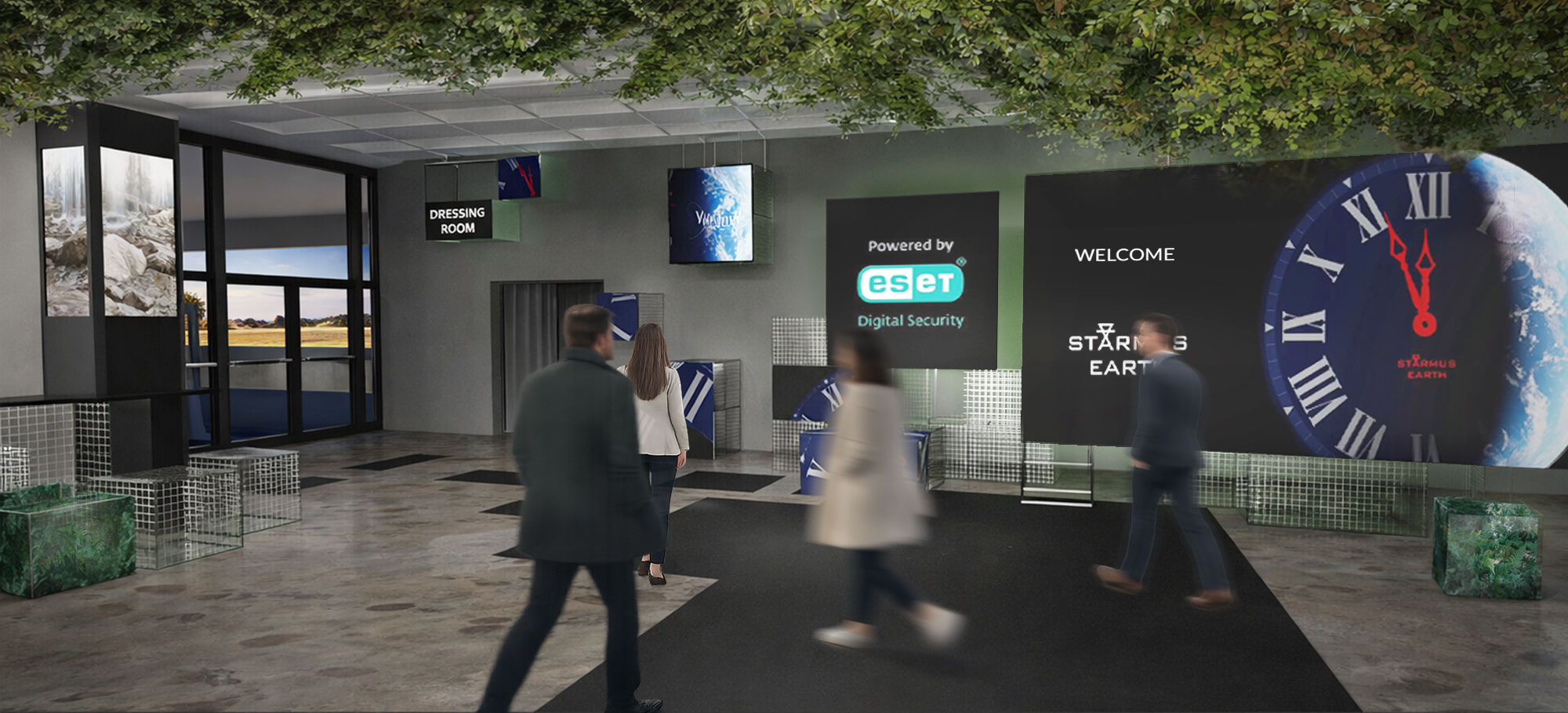
Vstupná zóna je riešená ako uvítací a orientačný bod s brandingom, navigáciou a partnerskými plochami. Motív času (hodiny) pracuje ako metafora urgencie a podporuje tému zodpovednosti. Celý systém je navrhnutý tak, aby sa dal flexibilne škálovať podľa veľkosti priestoru a technických možností bez straty konceptu a vizuálnej jednoty.
STARMUS EARTH – an international festival of science, space and art focused on the planet and climate change.
Project scope: concept collaboration, visualizations, floor plans and spatial layout solutions, design of 3D spatial elements.
The event is designed as an immersive environment where the festival’s content becomes a spatial experience. The main stage and other parts of the venue—entrance, foyer and circulation areas…—are not just technical infrastructure for the program, but a unified visual system guiding visitors through the “Earth” theme.
At the core of the concept is modularity and image fragmentation: a series of screens and panels in different sizes forms a mosaic of landscapes and environmental contrasts (drought, erosion, deforestation, vegetation). The composition is intentionally layered and irregular to reflect shifting conditions—imagery is not contained in a single flat surface, but extends into the space. This rhythm continues across supporting segments, connecting the stage with the overall event environment.
The material language is built on the contrast of “technology × nature.” Transparent and semi-transparent objects filled with organic content (plants, moss, natural textures) are combined with metal mesh and structural frames, complemented by subtle green underlighting. These elements act as spatial accents and as symbolic “samples” of nature—contained, protected, and placed under focused attention.
The entrance zone functions as an orientation and welcome point with branding, navigation and partner placement. The time motif (clock) works as a metaphor of urgency and reinforces the theme of responsibility. The overall system is designed to be flexibly scalable to different venue sizes and technical conditions without losing conceptual clarity or visual consistency.